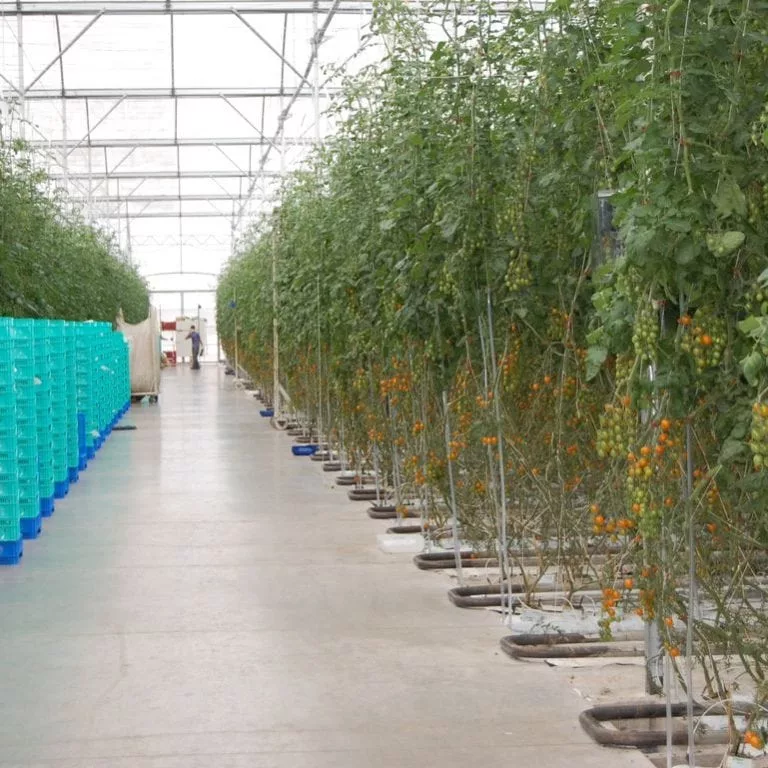
Commercial greenhouse benefits go far beyond simply having a roof over your crops. For professional growers facing unpredictable weather, rising input costs, and tighter margins, a controlled growing environment is one of the most strategic investments available today. Whether you’re considering full greenhouse production or a hybrid approach alongside field crops, here is why thousands of growers across North America have made the switch.
Master Your Growing Environment
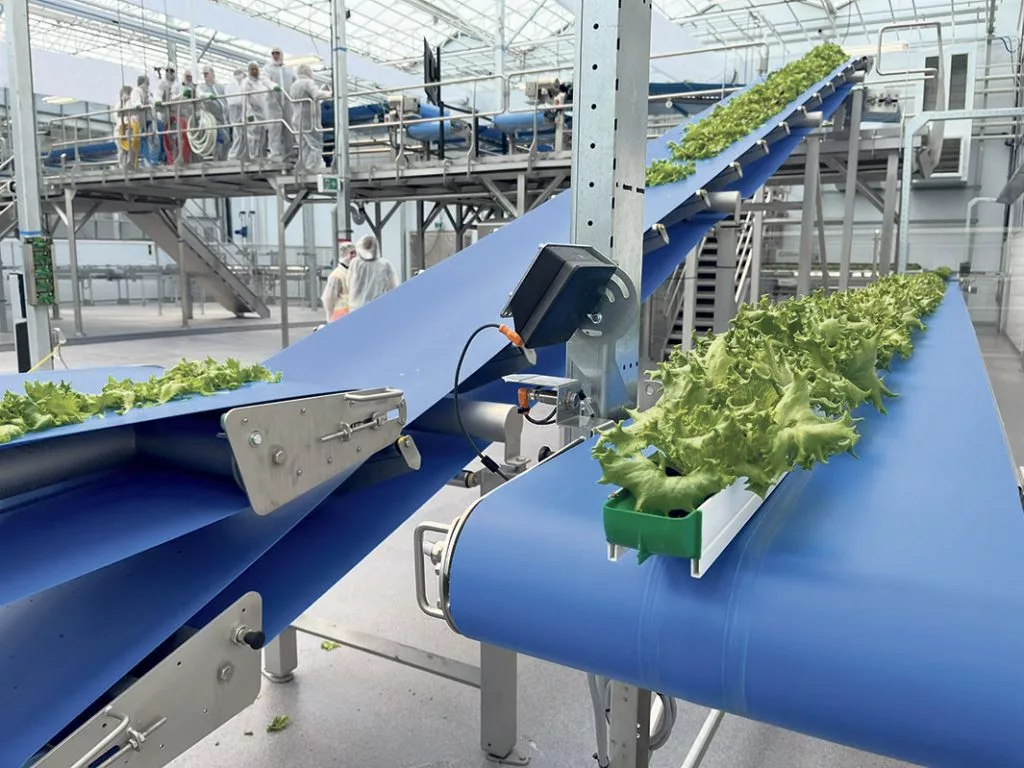
One of the greatest commercial greenhouse benefits is the ability to take full control of every variable that affects plant growth. Temperature, humidity, light levels, CO₂ concentration, irrigation, and fertilization can all be managed independently and precisely, reducing the guesswork that comes with field production.
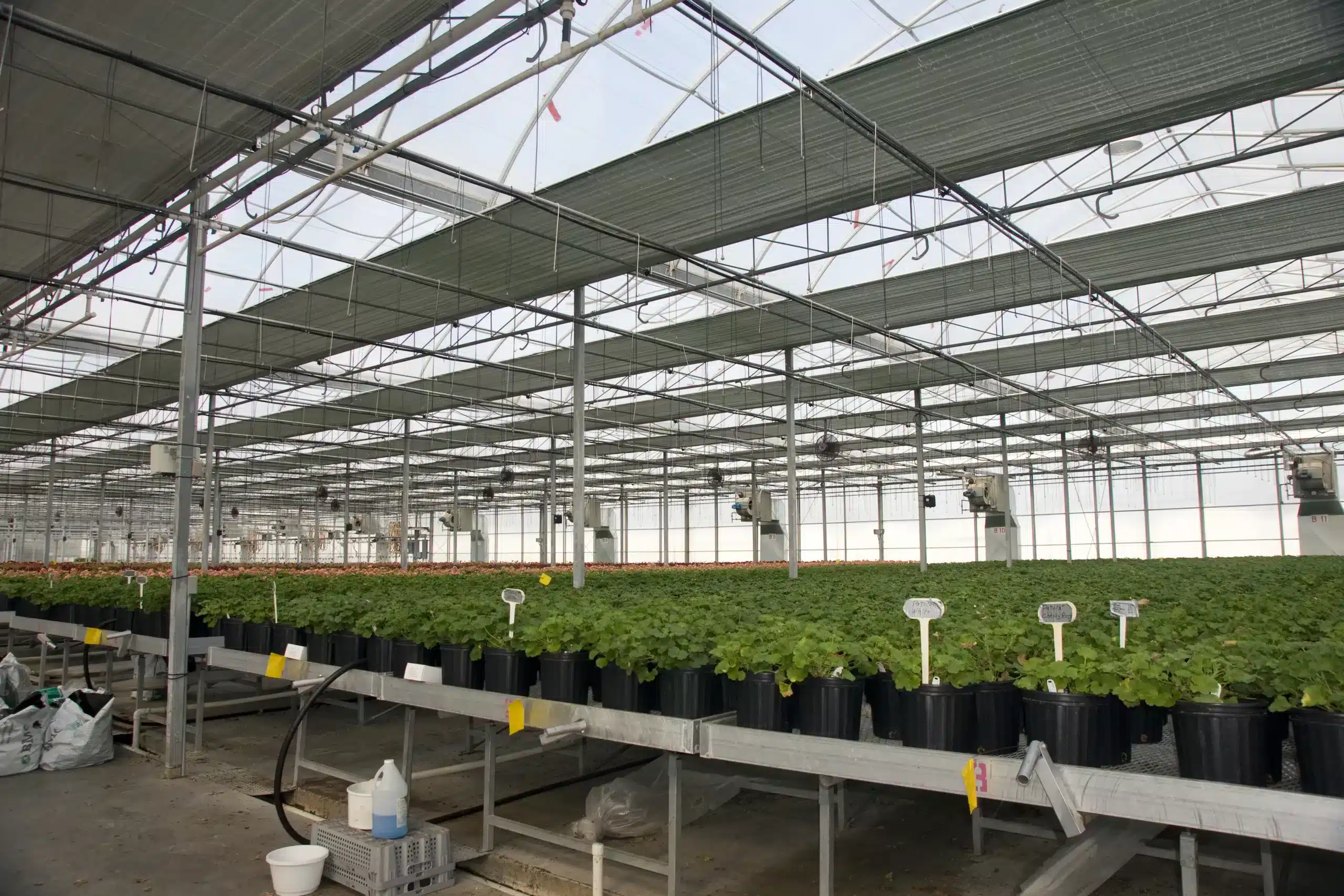
Advanced climate control systems allow you to create the ideal microclimate for any crop at any stage of its growth cycle. Roof coverings designed for optimal light transmission and heat diffusion ensure that even bumblebees, which require specific UV wavelengths for pollination, can work effectively inside your structure.
At Harnois, our latest glass greenhouse, the Vermax, integrates AI-driven micro-climate management and achieves a peak coefficient of performance (COP) of up to 7.5, setting a new standard for energy-efficient commercial growing.
Protect Your Crops Year-Round
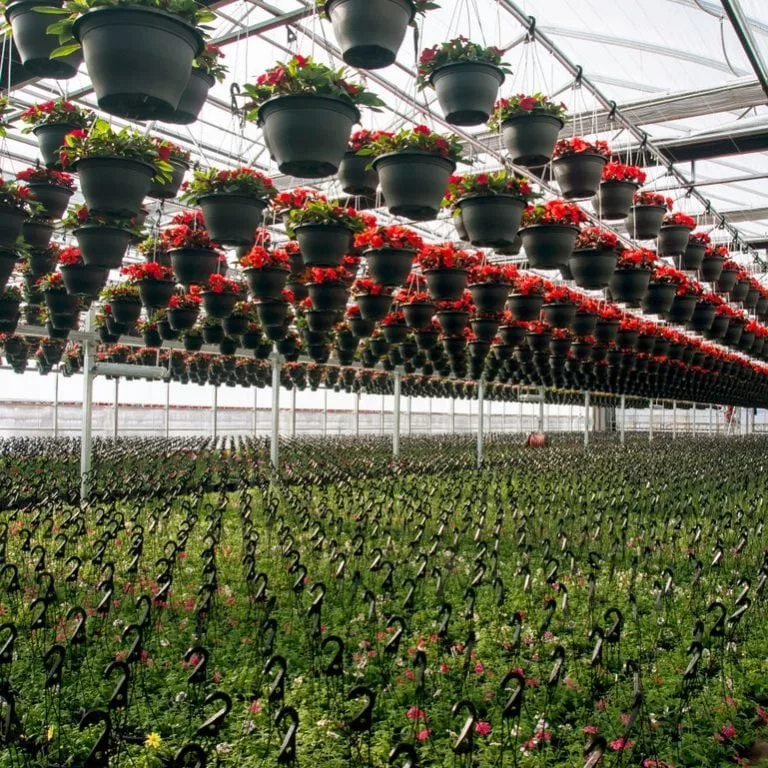
Field production exposes crops to frost, hail, drought, flooding, high winds, and extreme heat. A commercial greenhouse eliminates virtually all of these risks. Protected growing significantly reduces moisture-related diseases such as botrytis and powdery mildew, and minimizes bleaching and scorching from direct sunlight.
Beyond weather protection, greenhouse structures act as a physical barrier against pests, reducing infestations before they start. This directly translates into less downtime, lower risk of crop loss, and more consistent product quality, critical factors when supplying supermarkets, distributors, or direct-to-consumer channels.
Maximize Production Time with Year-Round Growing
Greenhouse farming allows you to grow throughout the year under climate-controlled conditions, generally doubling your annual yield compared to open-field production. Even a three-season high tunnel can extend your growing season by up to three months, providing a meaningful competitive edge.
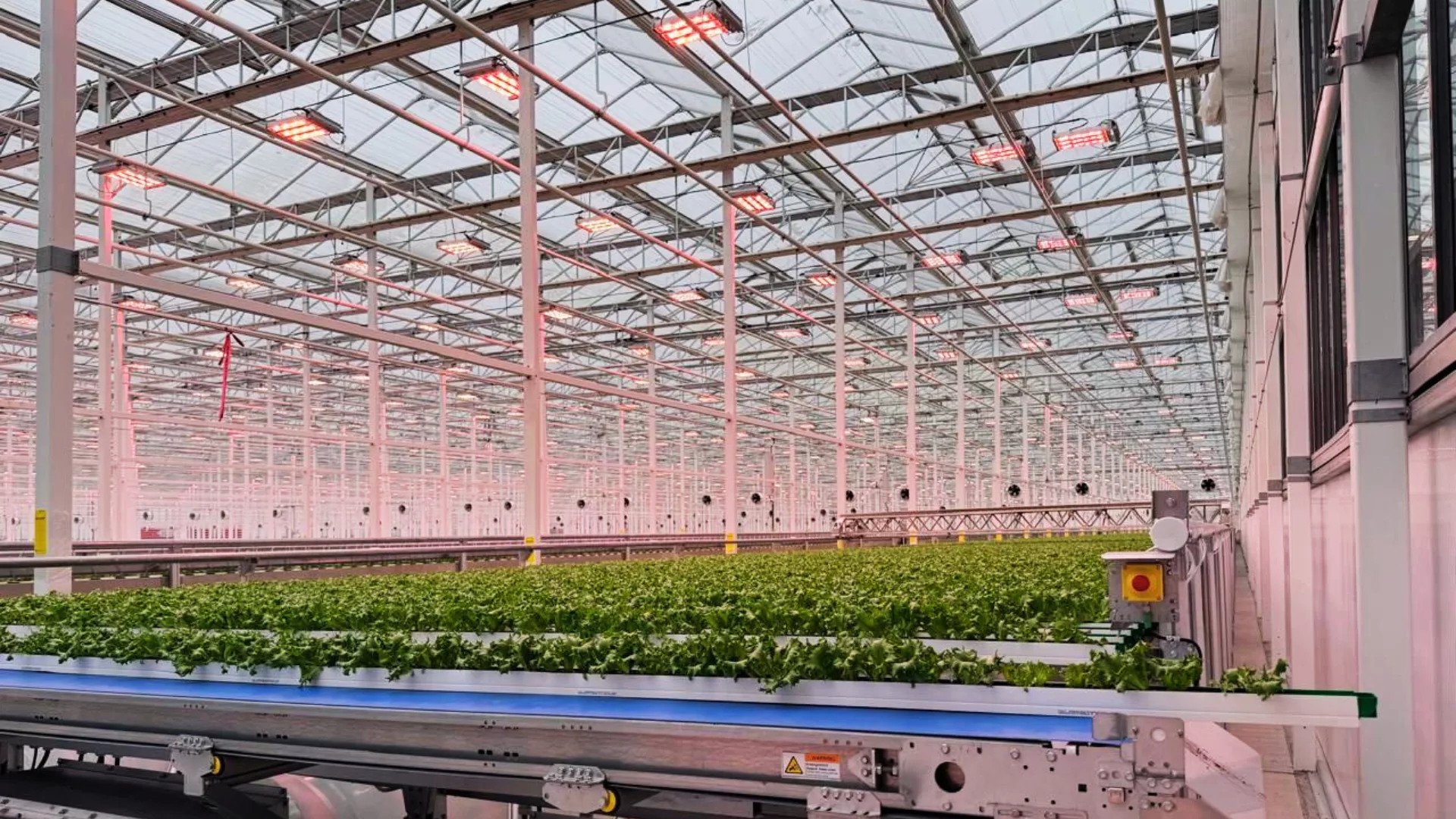
For year-round production, an LED or HPS supplemental lighting system maintains optimum light levels during short winter days. Pairing this with partial insulation and heating solutions allows you to manage energy costs strategically, running a profitable operation even in the coldest North American climates.
According to Statistics Canada, protected horticulture continues to be one of the fastest-growing segments of the Canadian agricultural sector, reflecting the strong economics of year-round indoor growing.
Manage Organic Crops More Easily
Growing above ground in a greenhouse removes the dependency on soil treatments and drastically reduces exposure to airborne pesticide drift from neighboring fields, a serious concern for certified organic producers. With a physical barrier between your crops and the outside environment, maintaining organic certification becomes far more manageable.
Above-ground growing systems (such as elevated benches or substrate growing) also allow you to standardize root zone conditions, improve drainage, and reduce labor time per harvest cycle by up to 40%.
Reduce Pesticide Use with Biological Control
Greenhouses are exceptionally well-suited to integrated pest management (IPM) strategies. By limiting pest entry points and creating a stable, predictable environment, you can rely more heavily on beneficial insects and biological controls, and far less on chemical treatments.
The result is significant savings on pesticide inputs, less time spent treating plants, and a higher-quality end product. For producers targeting premium or organic markets, this advantage is increasingly reflected in higher farmgate prices.
The Biocontrol Network provides extensive resources on IPM strategies compatible with commercial greenhouse environments.
Use High-Tech Automation Systems
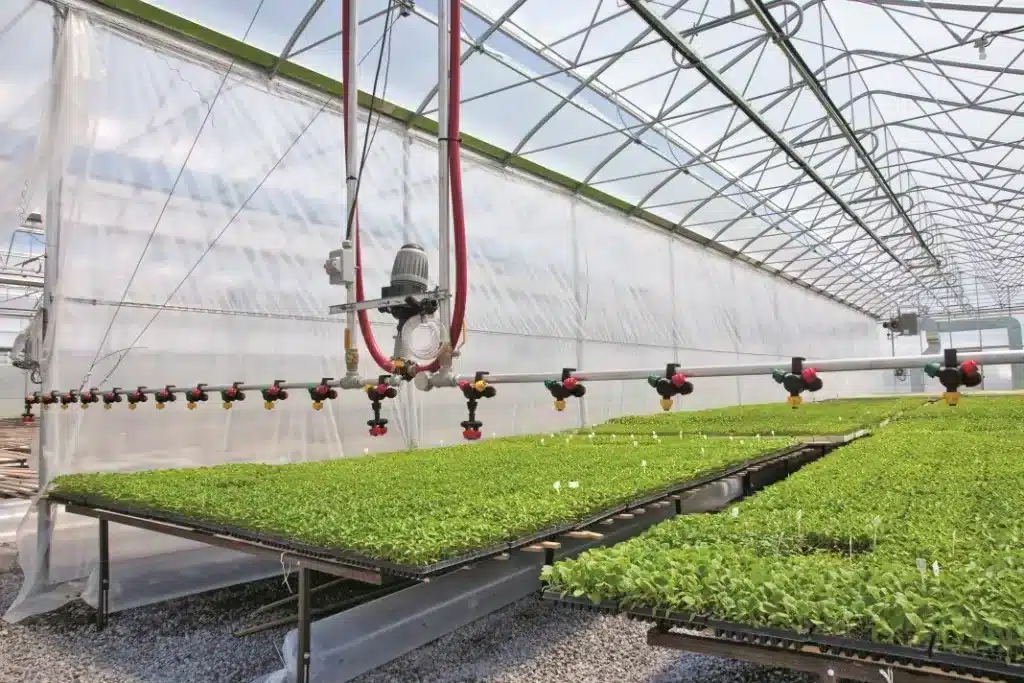
Modern commercial greenhouses can be automated at multiple levels to boost productivity and reduce labor costs. An automated fertigation system manages water supply and nutrient delivery independently, accurately, and consistently, adjusting in real time based on weather conditions and the phenological stage of each crop.
Harnois integrates a complete range of automation equipment directly into each greenhouse build: boom irrigation robots, recirculation systems, mechanical ventilation, thermal and blackout screens, and full climate controllers, all sourced from a single supplier and designed to work together seamlessly. This turnkey approach shortens commissioning time and eliminates compatibility issues between systems.
Build a More Sustainable and Resilient Operation
Beyond productivity, commercial greenhouse benefits include a fundamentally more sustainable farming model. Advanced water management systems, such as the circular closed-loop system in the Vermax glass greenhouse, enable zero wastewater discharge after startup. On-site CO₂ recycling reduces emissions while enriching plant growth.
Greenhouse farming also reduces dependency on external inputs: less land clearing, reduced machinery use for field preparation, and more predictable yields that simplify supply chain planning. As global food security challenges intensify, controlled environment agriculture (CEA) is increasingly recognized by governments and agri-food investors as a cornerstone of resilient food systems.
The Food and Agriculture Organization of the United Nations (FAO) identifies controlled environment agriculture as a key driver of sustainable intensification, producing more food per square meter with fewer environmental inputs.
Which Commercial Greenhouse Structure Is Right for You?
The commercial greenhouse benefits above apply across all structure types, but the right choice depends on your crop, climate, budget, and scale. Harnois offers a complete range to match every operation:
- Freestanding greenhouses (Ovaltech) : durable and versatile, ideal for a wide range of crops and climates
- Gutter-connected greenhouses (Luminosa): maximizes growing space and profitability for large-scale multi-variety production
- High tunnels:cost-effective season extension for soft fruits, produce, and young plants
- Venlo glass greenhouses (Vermax): the highest standard for year-round, high-tech, near-zero-emission production
Our in-house team of engineers, agronomists, and project managers will help you select and configure the structure that best fits your production goals, from design and engineering through to manufacturing and installation.
Ready to explore your options? Request a quote from Harnois Greenhouses and speak with a greenhouse specialist today.