
Winter is one of the most demanding seasons for commercial growers. Cold temperatures, reduced daylight, and high humidity create a challenging growing environment — but with the right preparation, your greenhouse can remain productive throughout the season. Whether you operate a freestanding Ovaltech greenhouse or a gutter-connected Luminosa structure, the principles of winter readiness remain the same: optimize your environment, protect your crops, and plan ahead.
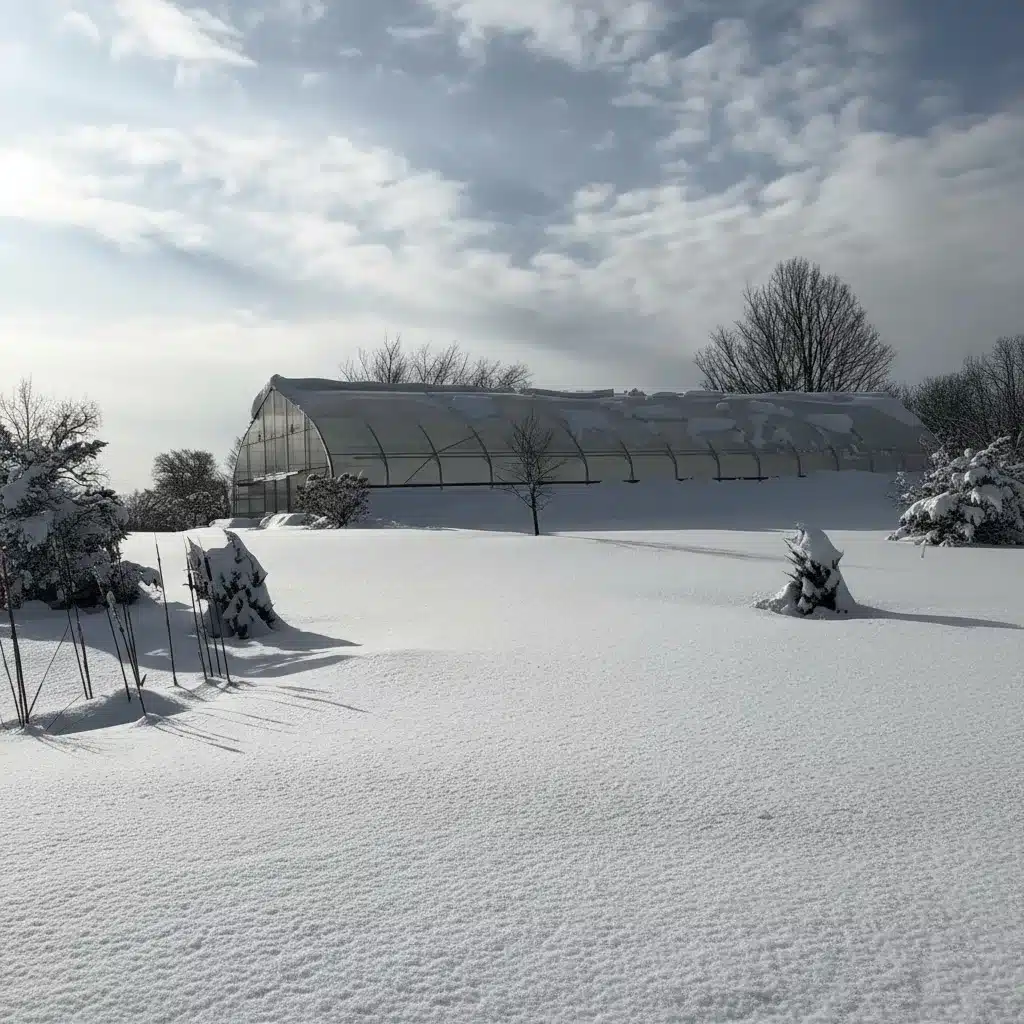
Assess Your Greenhouse Structure Before Winter Hits
The first step to preparing your greenhouse for winter is a thorough structural inspection. Snow and wind loads are the primary threats to greenhouse integrity in northern climates. Harnois greenhouses are engineered with certified structural steel and stamped plans designed to withstand up to 80 inches of snow and wind speeds up to 155 mph — but even the most robust structures require seasonal checks.
Walk through your greenhouse and inspect:
- Polyethylene film for tears, loose fasteners, or gaps in the perimeter seal. A compromised covering means heat loss and potential ice infiltration.
- Gutters and drainage channels to ensure they are clear and can handle snowmelt runoff.
- Foundation anchors and column bases for signs of frost heave or ground movement.
- Roll-up sides and vents to confirm they seal properly when closed.
Note: If you operate a three-season high tunnel such as the TunnelPro Plus, the polyethylene film must be rolled up at the ridge during winter in areas where snowfall exceeds 3 inches.
Optimize Temperature Management Inside Your Greenhouse
Consistent temperature control is the cornerstone of successful winter greenhouse production. Cold spots — particularly near doors, vents, and end walls — can stress or kill crops overnight. A reliable heating system combined with thermal screens is your best defense.
Key actions to take:
- Install or service your heating system before the first frost. Forced-air heaters, hot water heating systems, and radiant floor heating all have different efficiency profiles. Choose based on your crop type and greenhouse footprint.
- Add thermal screens to retain heat overnight. These can reduce heating energy consumption by up to 50%, according to data from Wageningen University & Research, a leading authority in greenhouse horticulture.
- Monitor temperature continuously using digital climate controllers. Aim for a minimum night temperature of 50–60°F (10–15°C) for most vegetable crops.
- Seal air infiltration points around doors and vents with weatherstripping or foam tape.
Harnois structures with higher undergutter clearance — such as the Luminosa at up to 20 feet — provide better air volume and reduce temperature stratification, which is a common problem in winter.
Manage Humidity and Ventilation to Prevent Disease
High humidity in a sealed greenhouse creates ideal conditions for fungal diseases such as botrytis and powdery mildew. Without adequate airflow, moisture accumulates on leaves and surfaces, leading to crop losses.
Effective humidity management strategies include:
- Ventilating during mild periods — even briefly opening roof vents on warmer days removes stagnant, humid air.
- Watering in the morning so excess moisture evaporates before night temperatures drop.
- Applying water directly to the root zone (drip or flood irrigation) rather than overhead, to minimize foliar moisture.
- Using dehumidification equipment or a heat-and-vent cycle in heated structures.
The University of Minnesota Extension’s deep winter greenhouse research confirms that humidity management is one of the top factors separating productive growers from those who struggle with chronic disease pressure.
Supplement Light for Consistent Winter Crop Growth
Shorter days mean fewer hours of natural light — often dropping below the 14–16 hours many crops require for optimal photosynthesis. Supplemental lighting is no longer optional for serious production; it is a fundamental input.
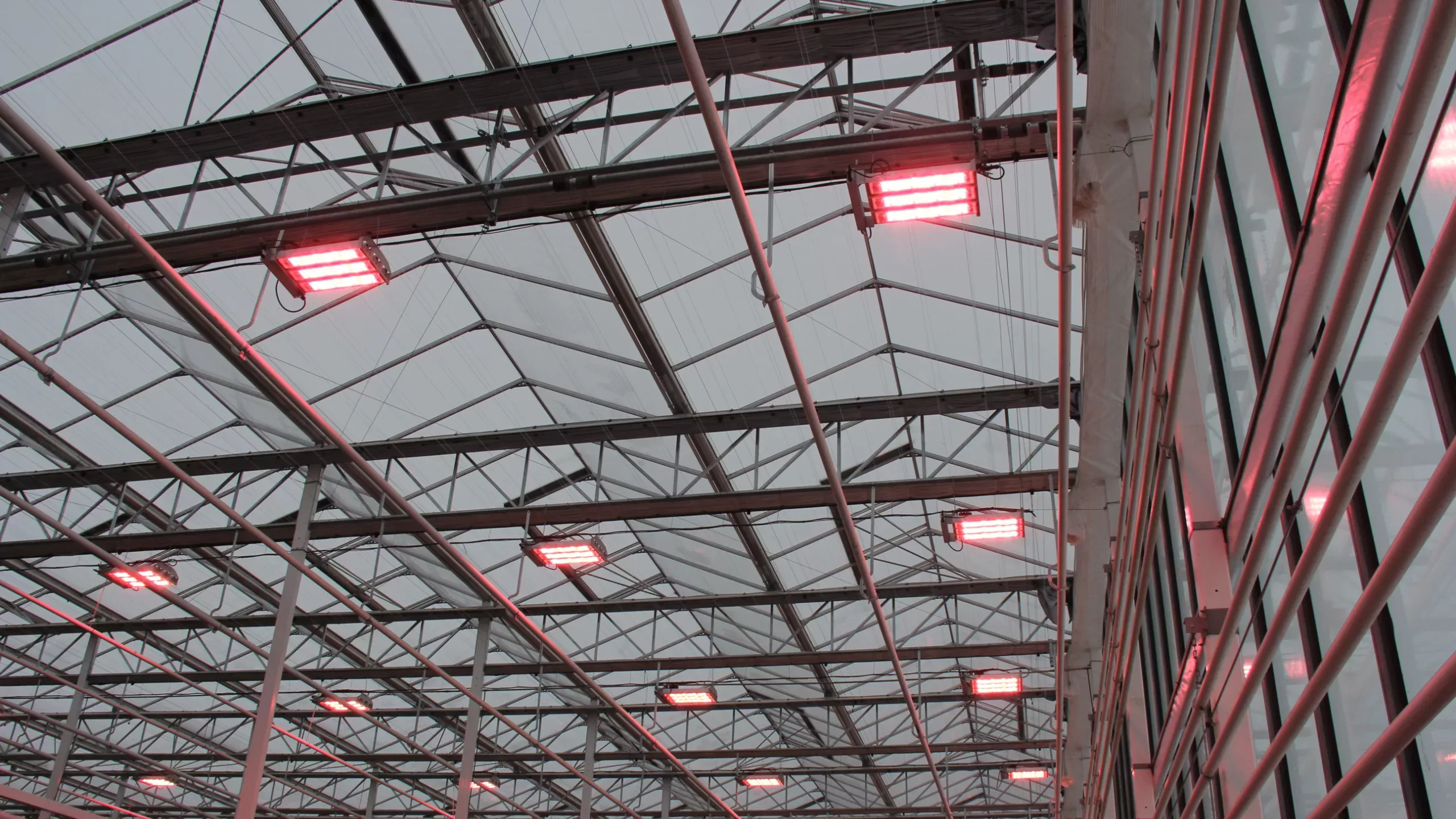
- LED grow lights are the current standard for winter greenhouse production. They offer a full spectrum tailored to plant growth, with significantly lower heat output and energy consumption than traditional HPS systems. Harnois supplies and integrates both LED and HPS lighting systems as part of complete greenhouse equipment packages.
- Position lights based on crop canopy height and adjust intensity through the growing season as natural light levels change.
- Use light-deprivation techniques for crops sensitive to photoperiod (such as chrysanthemums or cannabis) to maintain production schedules year-round.
For growers considering a new build or retrofit, explore our greenhouse equipment options to find integrated lighting and climate control solutions.
Select the Right Winter Crops and Plan Your Rotation
Not all crops are equally suited to winter conditions. Selecting varieties with cold tolerance and low light adaptability is critical for profitability during the darkest months.
Best crops for winter greenhouse production:
- Leafy greens: Spinach, kale, arugula, and Swiss chard thrive in cooler temperatures and require less supplemental light than fruiting crops.
- Herbs: Parsley, cilantro, and chives are productive in winter and have strong market demand.
- Microgreens: Fast-growing and space-efficient, microgreens can complete a cycle in 10–14 days, making them ideal for high-turnover winter production.
- Lettuce varieties: Butterhead and loose-leaf types are well-adapted to artificial lighting and cooler growing environments.
Avoid high-heat crops like tomatoes, peppers, and cucumbers unless your heating system can consistently maintain daytime temperatures above 70°F (21°C) and you have robust supplemental lighting — the cost of growing in winter analysis on our blog details the economics of winter fruiting crop production.
Implement crop rotation between seasons to reduce soil-borne disease pressure and improve long-term yield consistency.
Implement an Integrated Pest Management (IPM) Plan
Pests do not disappear in winter. Whitefly, fungus gnats, spider mites, and aphids can thrive in enclosed, heated greenhouses — often with fewer natural predators present than in warmer months.
A winter IPM plan should include:
- Weekly scouting of all crops, paying close attention to undersides of leaves and growing media surfaces.
- Biological controls such as beneficial nematodes (for fungus gnats) and predatory mites (for spider mites). These are effective in enclosed winter environments.
- Strict entry protocols — disinfectant foot mats, clean tools, and controlled access reduce pathogen introduction.
- Removal of plant debris immediately after harvest, as decomposing matter is a primary breeding ground for fungus gnats and botrytis.
The advantage of a well-sealed Harnois structure is that controlled access points make it easier to maintain sanitation protocols throughout winter.
Consider Advanced Growing Systems for Higher Winter Yields
For growers looking to maximize output and reduce input costs simultaneously, hydroponic and aquaponic systems offer compelling advantages in winter:
- Hydroponics eliminates soil-borne disease risk, provides precise nutrient delivery, and typically increases yield per square foot compared to soil-based production.
- Aquaponics integrates fish production with plant growing, creating a symbiotic nutrient cycle that reduces fertilizer costs.
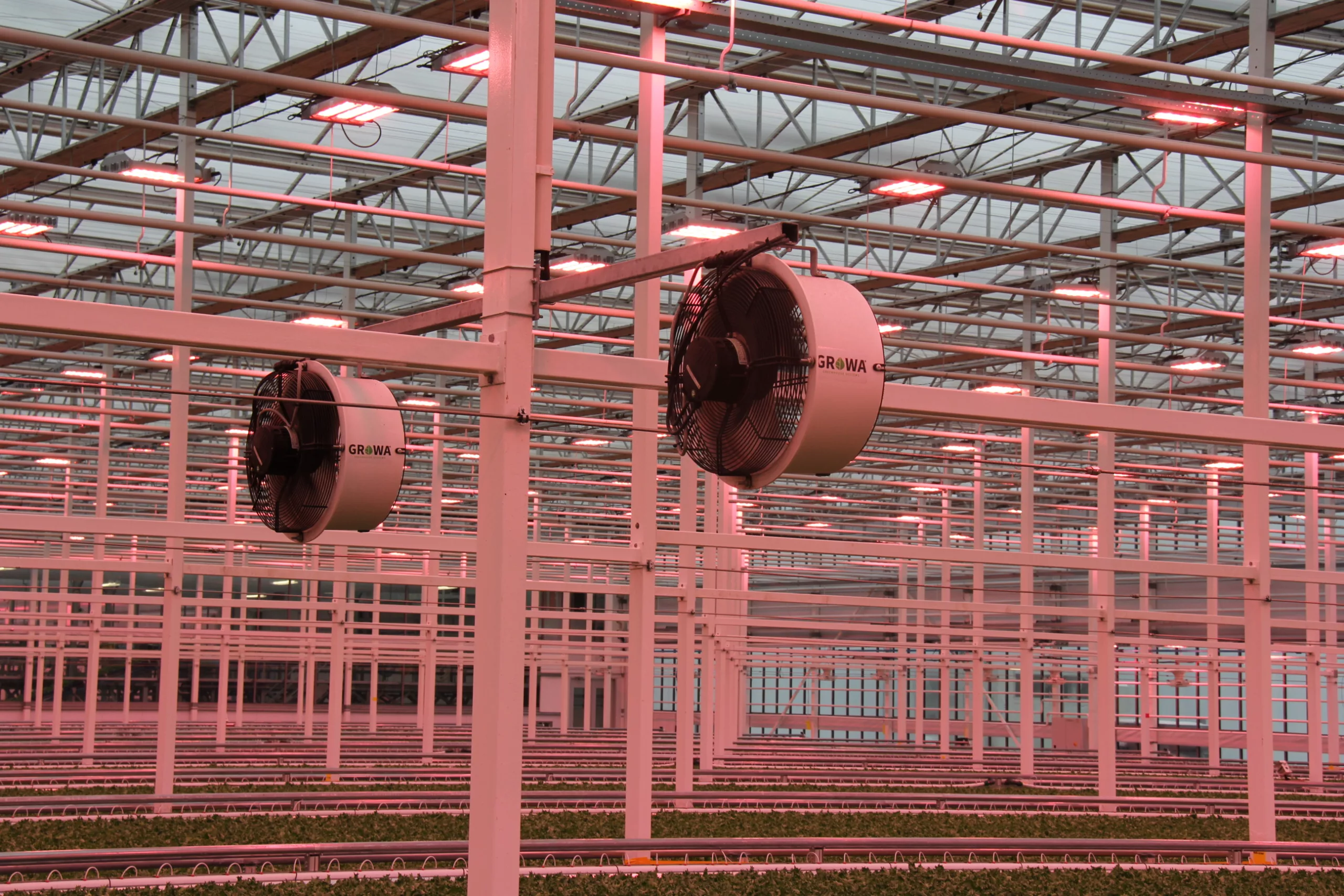
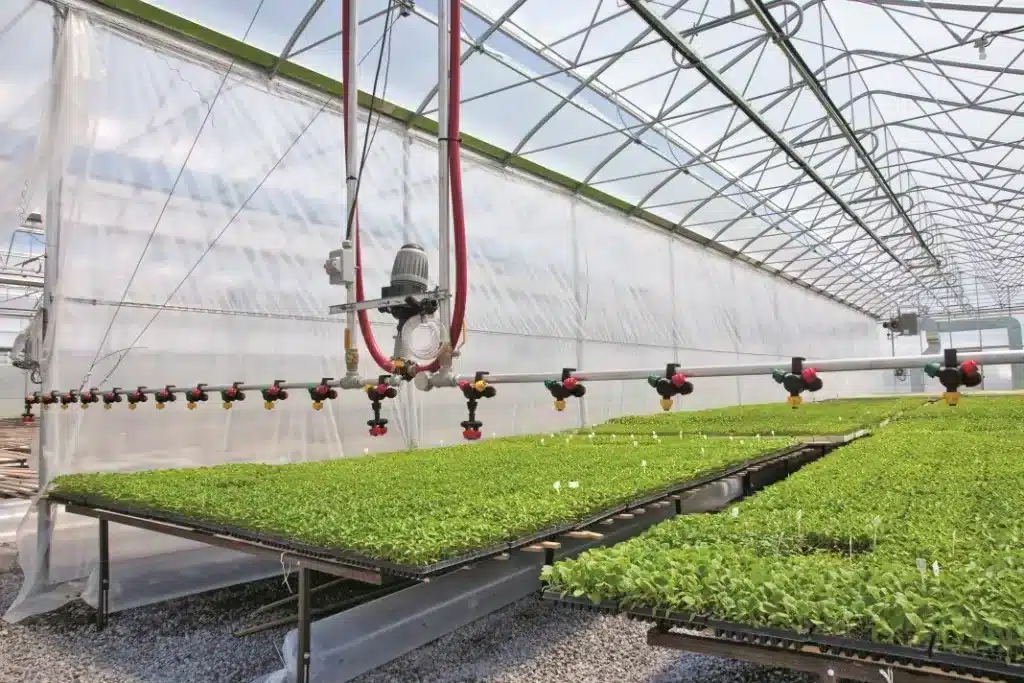
- Automated climate control and irrigation systems reduce labor demand and maintain growing conditions more consistently than manual management — a critical advantage when staff availability may be lower in winter.
These systems integrate seamlessly into Harnois freestanding and gutter-connected greenhouse structures, and our team can help specify the right configuration for your operation.
Conclusion: A Prepared Greenhouse Is a Profitable Greenhouse
Preparing your greenhouse for winter requires attention across multiple dimensions: structure, climate, lighting, crop selection, pest management, and production systems. The growers who plan ahead — completing structural checks in early fall, servicing heating systems before the first frost, and selecting winter-adapted crops — consistently outperform those who react to problems as they arise.
Harnois greenhouses are built to handle the most demanding winter conditions in North America, with snow loads up to 80 inches and wind loads up to 155 mph. But the right structure is only the foundation. The practices outlined in this guide will help you extract the full value of your investment through every cold month of the year.
If you want to discuss your specific winter growing challenges or explore a winterized greenhouse solution, contact our team for tailored advice.
Watch: Winter Greenhouse Growing with Jean-Martin Fortier — practical strategies for extending your season from one of North America’s most recognized market gardeners.