

When choosing between a polyethylene vs glass greenhouse, commercial growers must carefully weigh factors like upfront cost, insulation performance, light transmission, and long-term durability. This guide covers everything you need to know about the polyethylene vs glass greenhouse debate so you can make the righ
Commercial polyethylene greenhouses offer outstanding affordability and flexibility, making them the go-to choice for a wide range of climates and budgets. In contrast, glass houses deliver superior light diffusion and an unmatched lifespan. Understanding the key differences in the polyethylene vs glass greenhouse comparison is essential for optimizing crop production and maximizing return on investment.
Polyethylene Greenhouse: Key Advantages
A polyethylene-covered greenhouse is the most widely adopted solution for commercial growers worldwide. Here is why.
Cost-Effectiveness & Faster ROI
Polyethylene greenhouses are significantly more affordable to build compared to glass structures, especially for small and medium-scale projects. The primary covering material — polyethylene film — is inexpensive and widely available. This lower entry cost translates into a faster return on investment (ROI), which is a critical factor for new and expanding operations. Explore our range of freestanding greenhouses and gutter-connected greenhouses to find the right poly structure for your budget.
Lightweight Construction & Easy Assembly
Polyethylene-covered structures are considerably lighter than glass houses. This makes them easier and faster to assemble, transport to remote sites, and modify as your production needs evolve — a significant operational advantage.
Excellent Light Transmission
Modern polyethylene films deliver exceptional light transmission, allowing 90–91% of sunlight to reach your crops. This promotes healthy plant growth and efficient photosynthesis across all crop types, from leafy greens to fruiting vegetables. Learn more about how we design light-optimized environments for produce greenhouse operations.
Superior Temperature Regulation (Thermicity)
Polyethylene films are engineered for effective thermal management. They retain heat during cold nights and support adequate ventilation during peak summer temperatures — creating a stable, controlled growing environment year-round. This is especially valuable for floriculture and ornamental greenhouse operations where temperature consistency directly impacts crop quality.
Design Flexibility for Any Crop Layout
Polyethylene films are inherently flexible, allowing installation on structures of virtually any shape and size. This makes it possible to fully customize your greenhouse layout to match specific crop requirements, row spacing, and available land. Discover our full range of commercial greenhouse structures designed for maximum flexibility.
UV Protection & Specialty Film Options
High-quality polyethylene films (such as 7.2-mil thickness) are formulated to resist UV degradation, extending their usable lifespan and ensuring long-term performance outdoors. Specialty UV-Open films are also available for crops that benefit from increased UV exposure — including red lettuce, berries, and cannabis — improving agronomic outcomes. Our team can advise on the right film specification during your project planning phase.
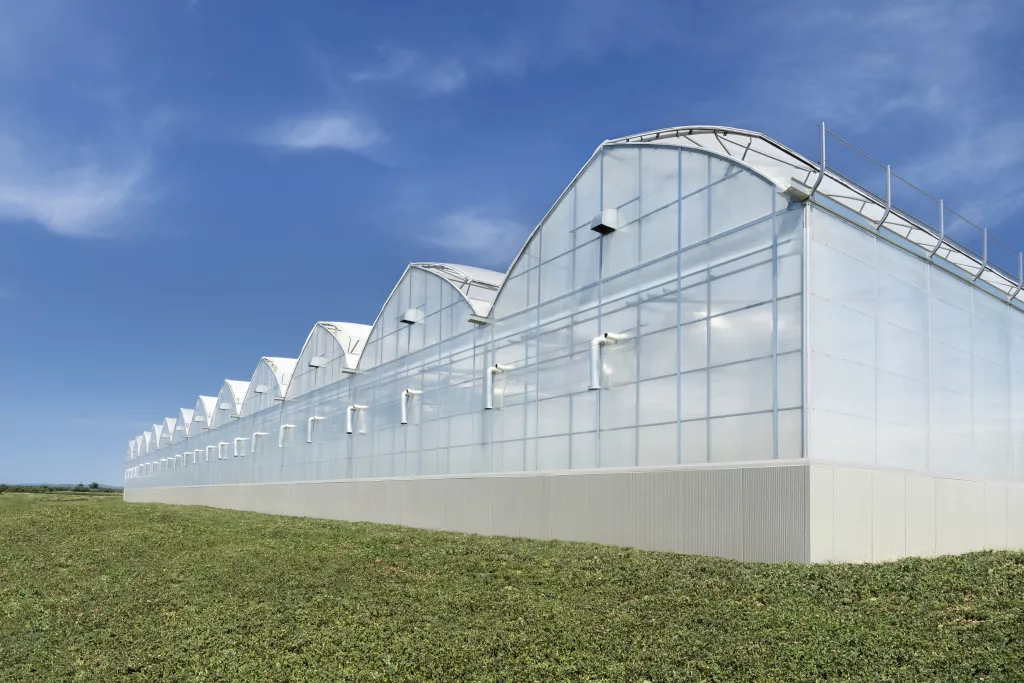
Glass Greenhouse: Key Advantages
A commercial glass greenhouse offers a different set of benefits, particularly suited for long-term, large-scale commercial operations.
Exceptional Durability & Longevity
Glass panels are highly resistant to tearing, puncturing, and environmental degradation. Unlike polyethylene film, which requires periodic replacement, glass provides a truly permanent covering solution — making it the preferred choice for growers planning a 20–30 year operational horizon.
Maximized Light Diffusion & Penetration
Glass diffuses sunlight more evenly throughout the greenhouse, virtually eliminating hot spots and shaded zones. Light penetration exceeds 98%, making glass the optimal choice for high-value crops with intensive photosynthetic requirements such as tomatoes, cucumbers, and sweet peppers. Explore our Venlo glass greenhouse solutions, engineered for maximum light performance.
Minimal Maintenance Requirements
Glass requires little more than periodic cleaning to maintain full clarity and performance. There is no film degradation, no re-covering cycles, and no UV-related wear — significantly reducing long-term operational maintenance costs compared to poly structures.
Enhanced Biosecurity & Pest Control
The solid, rigid structure of a glass greenhouse provides a far more robust barrier against pests, rodents, and unauthorized access than polyethylene film. This is a decisive factor for young plant and tree seedling operations where contamination control is critical.
Sustainability & Full Recyclability
Glass is 100% recyclable and supports a true closed-loop material cycle. In contrast, polyethylene film is notoriously difficult to recycle and frequently ends up in landfill at end-of-life. For operations with strong sustainability mandates, glass represents the lower long-term environmental footprint.
Long-Term Cost Savings
While the initial capital investment for a glass greenhouse is substantially higher, the combination of an extended lifespan, near-zero maintenance costs, and energy savings from superior insulation can generate significant cost advantages over a 20+ year period. Our capabilities team can help you model the long-term financials for your project.
Aesthetic Appeal & Visitor Experience
Glass greenhouses offer an undeniable visual advantage. Their transparent, architecturally refined appearance creates an inspiring environment for growers, employees, and visitors alike — an important consideration for agritourism operations and urban farming projects.
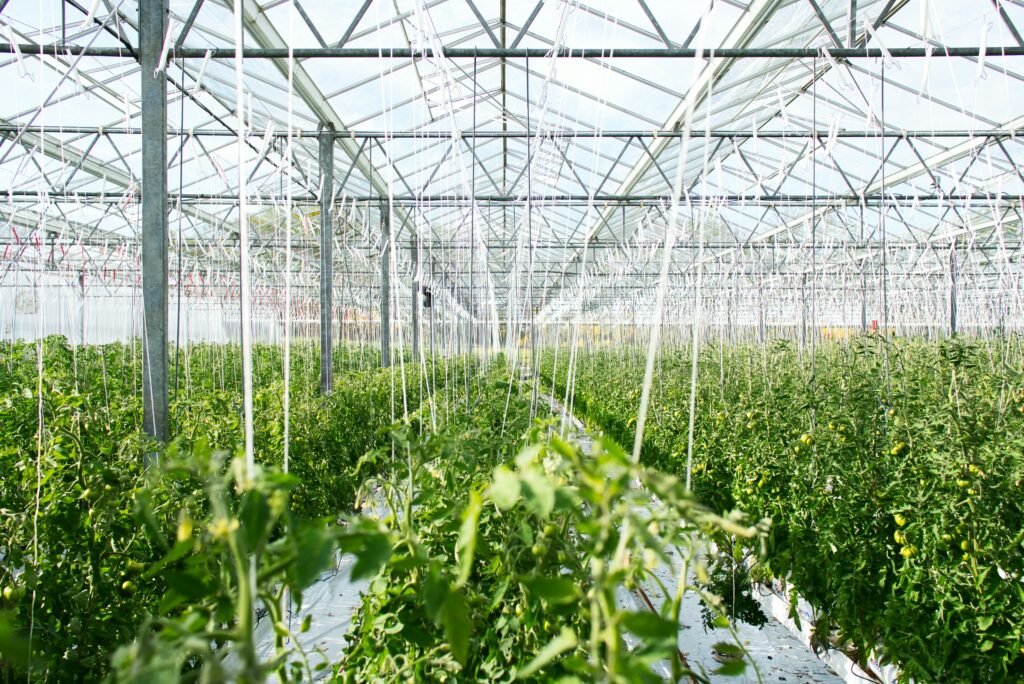
Polyethylene vs Glass Greenhouse — Side-by-Side Summary
| Criteria | Polyethylene Greenhouse | Glass Greenhouse |
|---|---|---|
| Initial Cost | Low–Medium | High |
| ROI Timeline | Fast | Long-term |
| Light Transmission | 90–91% | 98%+ |
| Insulation | Excellent (double inflation) | Good |
| Durability | 4–8 years (film) | 25–30+ years |
| Maintenance | Periodic re-covering | Cleaning only |
| Flexibility | Very high | Low |
| Sustainability | Limited recyclability | Fully recyclable |
| Best For | Budget-conscious, flexible operations | High-value, permanent structures |
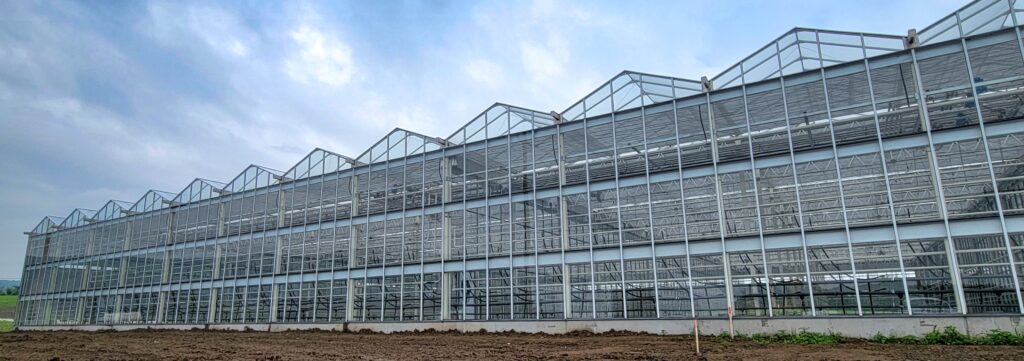
Vermax is the only North-American greenhouse manufacturer for large commercial project.
Polyethylene vs Glass Greenhouse — Which Structure Is Right for You?
Both polyethylene and glass greenhouses offer distinct advantages depending on your specific production goals, budget, and timeline.
Polyethylene-covered structures excel in cost-effectiveness, design flexibility, and thermal insulation — making them the preferred choice for growers looking to scale quickly or manage capital expenditure carefully. Our high tunnel and gutter-connected poly greenhouses are trusted by commercial growers across North America.
Glass greenhouses stand out for their longevity, light performance, and low maintenance — making them the right investment for operations built to last decades, particularly for high-value produce crops. Discover our Venlo glass greenhouse solutions for large-scale commercial projects.
Ultimately, the best choice depends on your budget, climate, target crop, and desired operational lifespan. Our team at Harnois Greenhouses has been helping commercial growers make this decision for over 50 years. Request a quote to discuss the right structure for your project.
Explore more resources in our blog and news section or browse our completed greenhouse projects for real-world inspiration.
