

In an ambitious move to bolster local and regional food systems, the Oregon Department of Agriculture has unveiled the Resilient Food Systems Infrastructure Grant (RFSI Grant). This USDA-funded program injects vitality and resilience into Oregon’s food supply chain — with a particular focus on empowering small and emerging farms, food businesses, and historically disadvantaged communities.
For growers already investing in commercial greenhouse structures, this grant represents a concrete opportunity to accelerate infrastructure upgrades, expand production capacity, and access markets that were previously out of reach.
What Is the Oregon RFSI Grant?
The Oregon RFSI Grant is a state-administered program powered by USDA funding, designed to strengthen the resilience of Oregon’s food supply chain. At its core, the initiative targets small and emerging operations — processing facilities, distributors, market gardeners, and produce greenhouse growers — with an emphasis on inclusivity and long-term food system sustainability.
The program explicitly excludes meat and poultry processing activities. All other food product processing and distribution projects are eligible for consideration.
Two Funding Tracks: Which One Fits Your Project?
The grant is divided into two strategic tracks to accommodate the widest range of projects:
Track 1 — Infrastructure
Designed for operations pursuing modernization, safety enhancements, or significant expansion of food product processing and distribution facilities. This track suits growers planning to invest in permanent greenhouse structures, climate systems, or processing upgrades tied to their growing operation.
Track 2 — Simplified Equipment Only
A streamlined track for projects focused exclusively on equipment acquisition — without major construction or infrastructure changes. This track aligns well with growers looking to add greenhouse equipment and growing technologies such as irrigation systems, climate controls, or benching to an existing facility.
Who Can Apply? Eligibility at a Glance
Eligibility is designed to cover a broad spectrum of products and organizations. The overarching goal is clear: to fortify supply chain resilience while enhancing inclusivity and access across Oregon’s food system. The grant casts a wide net to capture diverse participants — from individual market gardeners to regional food processors.
Priority is given to applicants from historically disadvantaged communities and to projects that demonstrably strengthen local food supply chains. For detailed eligibility requirements and application timelines, visit the Oregon Department of Agriculture website directly.
How Greenhouse Growers and Market Gardeners Benefit
Market gardeners and commercial greenhouse manufacturers stand to gain significantly from this program.
For market gardeners, the grant provides much-needed capital to adopt sustainable practices, expand production capabilities, and explore new market opportunities. The ability to fund infrastructure — including high tunnel greenhouses or freestanding greenhouse structures — could translate directly into extended growing seasons, higher yields, and access to year-round markets.
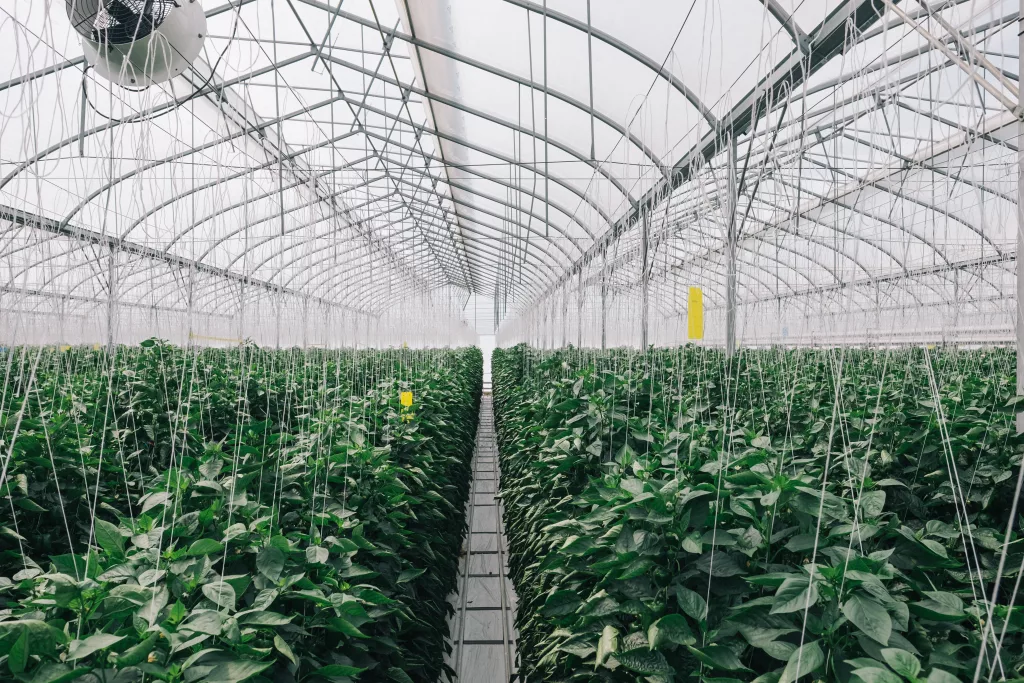
For greenhouse operations, the RFSI Grant opens the door to investing in structures engineered specifically for small-scale and mid-size production. Harnois high tunnels, for instance, allow growers to extend the growing season by up to 3 months, reduce exposure to climate risk, and lower operating costs — all outcomes that directly strengthen food system resilience, which is exactly what this grant rewards.
Sustainable Infrastructure: The Right Investment for Grant Funding
This grant program is not just about financial assistance — it’s a statement of intent from Oregon to prioritize the long-term sustainability of its food systems. Projects that demonstrate efficiency, environmental responsibility, and community impact will be looked upon favorably.
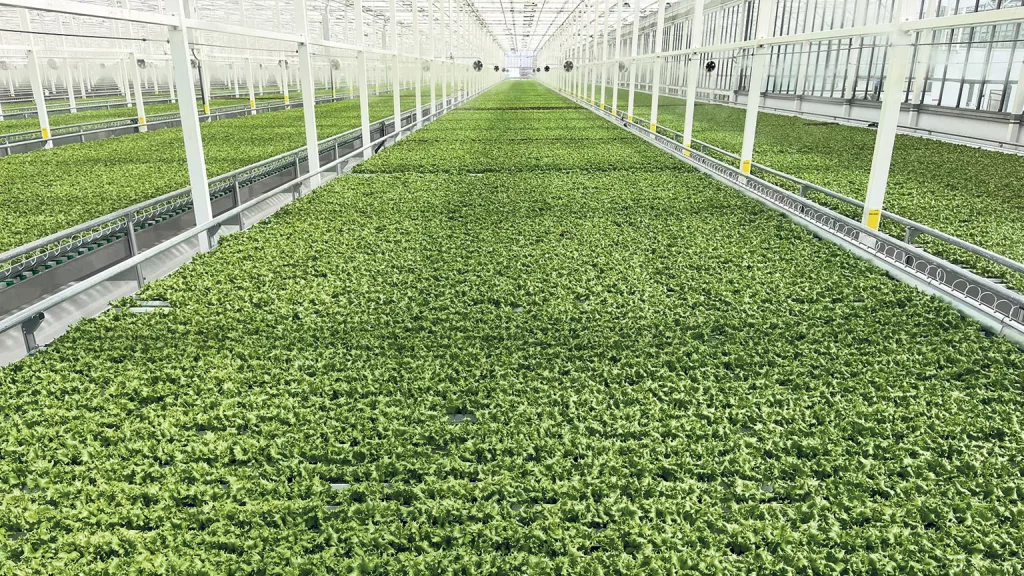
Gutter-connected greenhouse systems, for example, maximize production per square foot while optimizing energy use — making them ideal candidates for RFSI-funded infrastructure projects. Similarly, investing in greenhouse equipment such as recirculating irrigation, LED lighting, or thermal screens directly supports the energy-efficiency and sustainability goals embedded in the program’s criteria.
By focusing on inclusivity and support for emerging businesses, Oregon is nurturing an environment where local food systems can thrive and adapt to future challenges. Greenhouse infrastructure sits at the center of that vision.
Taking the Next Step
For those ready to make a tangible impact on Oregon’s local food systems, the RFSI Grant could be the catalyst for a more sustainable and resilient growing operation. Whether you’re planning your first commercial greenhouse project or expanding an existing facility, aligning your investment with this funding opportunity is a logical first step.
Interested parties are encouraged to visit the official Oregon Department of Agriculture website for comprehensive guidelines, application processes, and project scope requirements. The resources available there are designed to help applicants navigate the process and put their best case forward.
If you’re considering how a new greenhouse structure could qualify under the RFSI Grant’s infrastructure track, our team at Harnois Greenhouses is available to discuss your project’s scope and specifications. Request a quote to start the conversation.
Conclusion
The Oregon Resilient Food Systems Infrastructure Grant represents a meaningful opportunity for greenhouse growers, market gardeners, and food producers across the state. It’s a chance to build infrastructure that not only withstands future challenges but actively serves Oregon’s communities — particularly those historically left behind.
As Oregon takes these bold steps toward a more resilient food system, the growers who act now — investing in purpose-built commercial greenhouse solutions backed by grant funding — will be best positioned to lead the agriculture of tomorrow.
