

NRCS High Tunnel Initiative vendors play a crucial role in the growing adoption of freestanding greenhouses (high hoop house), which has seen a 65% increase in recent years across the United States, as reported by the USDA’s Natural Resources Conservation Service (NRCS).
This surge highlights a growing recognition among agricultural producers of the pivotal role these structures play in enhancing sustainable farming practices. NRCS high tunnels have emerged as a cornerstone of this agricultural revolution, offering benefits ranging from extended growing seasons to significant improvements in plant health and yield.
Central to harnessing these benefits are the NRCS high tunnel requirements, the opportunities provided by the NRCS high tunnel initiative, and selecting trusted NRCS High Tunnel Vendors. These elements ensure that high tunnel projects align with environmental conservation goals while supporting the economic viability of farms across the nation
What Is an NRCS High Tunnel Greenhouse?
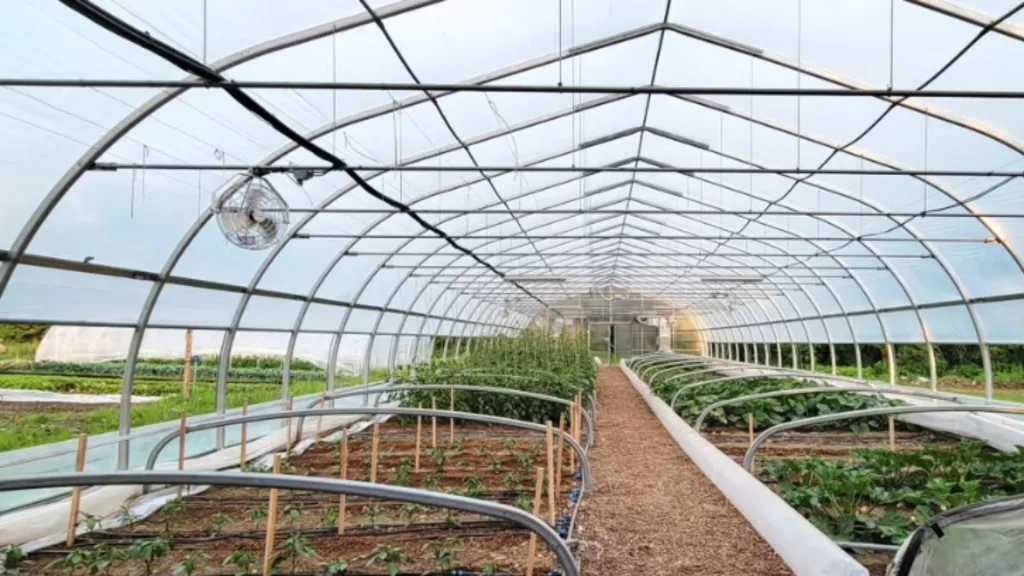
A NRCS High Tunnel Greenhouse, also known as a hoop house, is a semi-circular or squared structure made of steel and covered with plastic. It’s designed to protect plants from severe weather, extend the growing season, and optimize water usage, thereby enhancing crop yield and quality. The Natural Resources Conservation Service (NRCS) within the USDA endorses these high tunnel structures under specific criteria to ensure they meet environmental and agricultural standards.
Benefits of NRCS High Tunnels
The benefits of implementing a high tunnel, from NRCS High Tunnel Vendors, are manifold. They include extending the growing season, improving plant and soil health, reducing the need for chemical inputs, and increasing water efficiency. These advantages lead to higher quality produce and potentially more profitable farming operations, making high tunnels an invaluable asset in the toolkit of modern sustainable agriculture.
How the NRCS EQIP Initiative Works
The NRCS High Tunnel Initiative is part of the Environmental Quality Incentives Program (EQIP). It provides financial and technical assistance to producers to install high tunnels, focusing on increasing the availability of locally grown produce, improving plant quality, and reducing environmental impact.
To be eligible, applicants must engage in agricultural production and comply with NRCS high tunnel requirements. The application process involves submitting a detailed plan that outlines how the high tunnel will be used, including crop types and sustainability practices. The NRCS evaluates applications based on environmental benefits and alignment with initiative goals.
EQIP Funding: What Costs Are Covered?
The NRCS high tunnel initiative covers costs associated with the purchase and installation of the high tunnel, including materials and labor. It does not cover the cost of land or non-essential accessories. Funding amounts vary based on the size of the project and local payment rates, aiming to make high tunnels accessible to a wide range of producers.
How to Choose an Approved NRCS High Tunnel Vendor
Selecting an approved vendor is crucial to ensure your high tunnel meets NRCS standards and qualifies for financial assistance. The NRCS provides a list of approved vendors, which have been vetted for quality and compliance with high tunnel specifications.
The Importance of Choosing Approved NRCS High Tunnel Vendors
Working with approved NRCS High Tunnel Vendors guarantees that the high tunnel greenhouse will meet all NRCS high tunnel requirements. This not only facilitates the approval of grant applications but also ensures that the structure will be durable, effective, and aligned with conservation goals.
Vendor Evaluation and Selection Process
When selecting a vendor for the NRCS High Tunnel Initiative, consider factors such as experience, reputation, customer service, and the ability to provide technical support. Request quotes from multiple vendors to compare prices and services, and check references to ensure they have successfully installed NRCS-compliant high tunnels in the past. Request a quote from Harnois to see how our NRCS-approved structures compare.
Why Harnois Is NRCS-Approved
While both high tunnels and commercial greenhouses offer controlled environments for crop production, high tunnels are generally less expensive, more versatile, and easier to install. They rely on natural ventilation and do not usually require heating or artificial lighting, making them more sustainable and cost-effective for certain types of production.
Effective high tunnel management involves regular maintenance of the structure, monitoring for pests and diseases, managing ventilation and humidity, and implementing efficient water use practices. Crop rotation and soil management are also important to maintain soil health and productivity.
Suitable Crops for High Tunnels
High tunnels are ideal for growing a variety of crops, including vegetables (e.g., tomatoes, leafy greens), small fruits (e.g., berries), and flowers. The controlled environment can lead to higher yields and better quality produce, especially for crops sensitive to weather conditions.
Building a nrcs approved greenhouse
This section would showcase real-world examples of farmers who have successfully implemented high tunnel commercial greenhouses with the support of the NRCS high tunnel initiative. These stories highlight the practical benefits of high tunnels, including increased yield, improved product quality, and enhanced sustainability on the farm, such as Marschall Farm in Concord, MA.
Conclusion
NRCS high tunnel Initiative represent a confluence of agricultural productivity and environmental stewardship. By meeting NRCS high tunnel requirements and leveraging the NRCS high tunnel initiative, producers can significantly enhance their farming operations. The initiative not only supports the economic viability of farms but also contributes to a healthier planet through sustainable agriculture practices. To learn more about NRCS-compliant structures from Harnois, contact our team or request a quote today.
