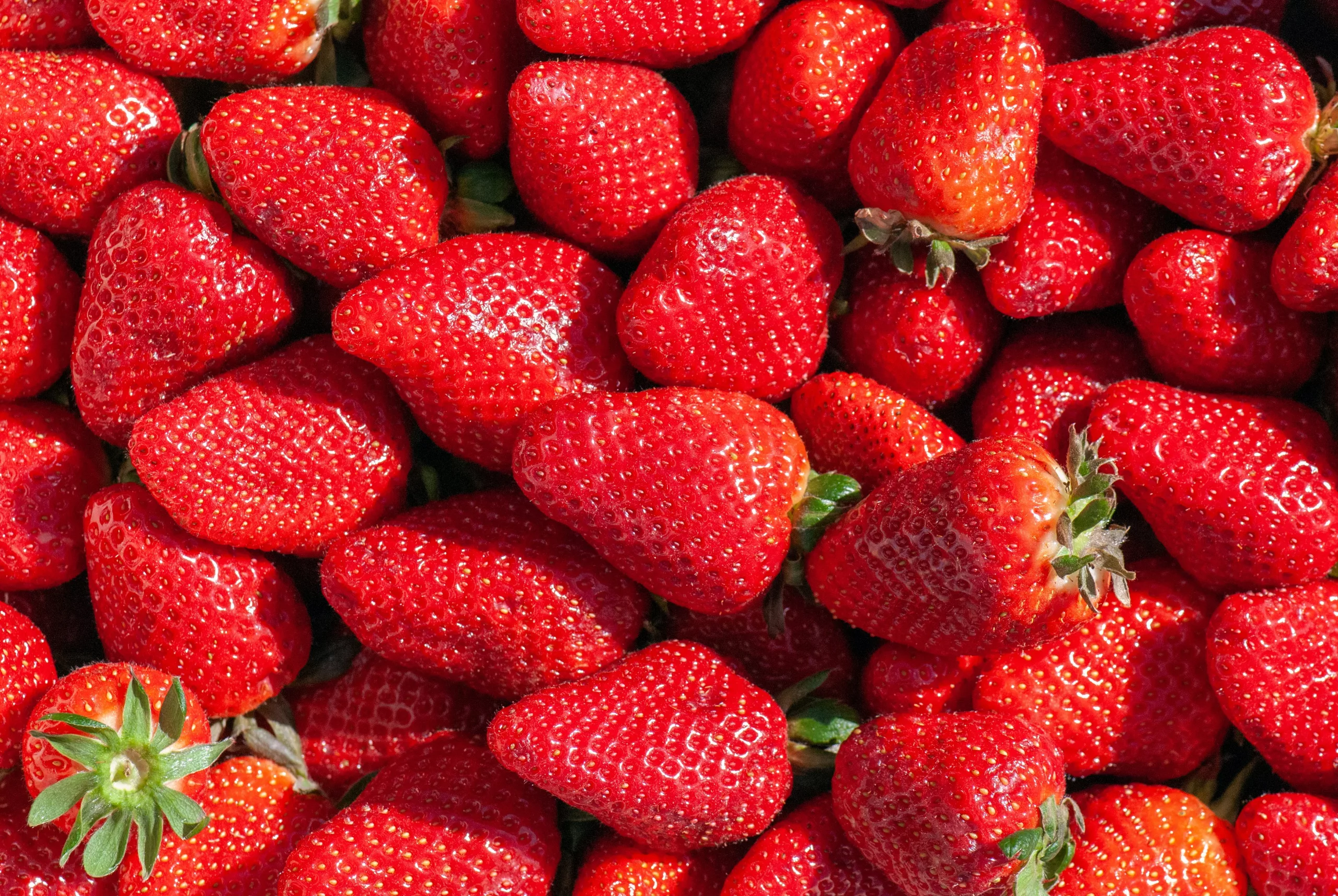
Growing strawberries in a greenhouse is one of the most profitable moves a berry producer can make today. With rising consumer demand for local, fresh fruit and increasing climate unpredictability, more growers are turning to controlled-environment agriculture to protect their yields — and their bottom line.
At Harnois Greenhouses, we’ve worked with strawberry producers across North America to design and build structures that maximize production, minimize risk, and deliver a strong return on investment. This guide covers everything you need to know before you start.
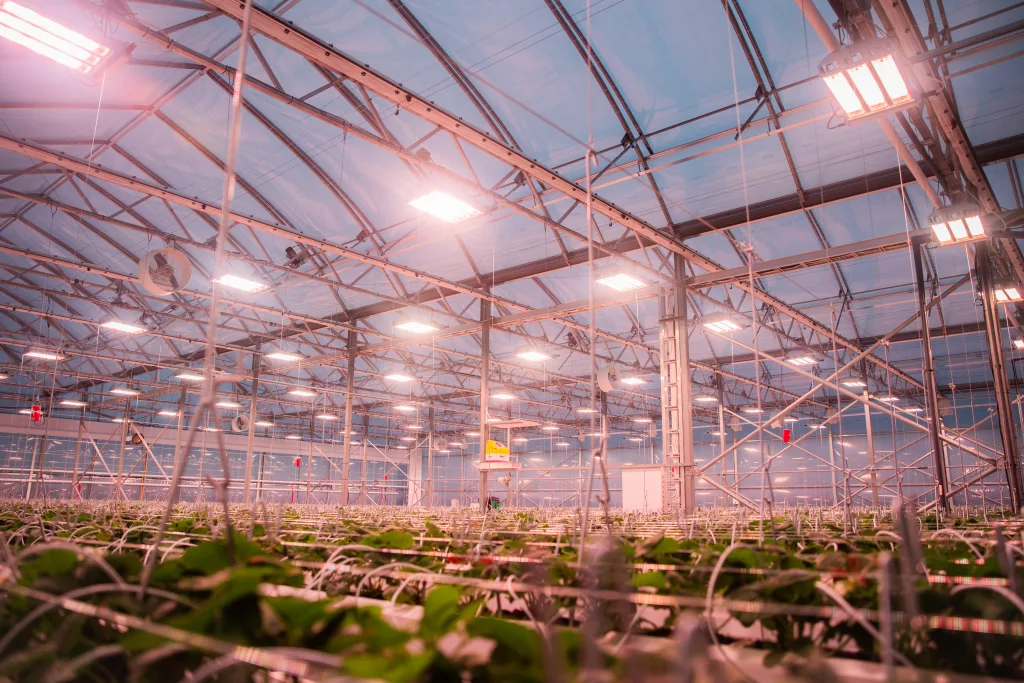
Why Growing Strawberries in a Greenhouse Outperforms Open-Field Production
Open-field strawberry farming is vulnerable. Late frosts, drought, disease pressure, and unpredictable labour availability can wipe out an entire season. Growing strawberries in a greenhouse solves all four problems at once.
A properly designed small fruits greenhouse gives growers full control over:
- Temperature and humidity — maintain the 65–75°F sweet spot year-round
- Light levels — supplement with LED lighting during short winter days
- CO₂ enrichment — push photosynthesis rates and accelerate fruit development
- Irrigation and fertigation — deliver exact nutrients directly to the root zone
The result: up to 80,000 lbs of strawberries per acre per year, independent of the weather outside.
Elevated Bench Systems: The Core of Modern Greenhouse Strawberry Production
The single biggest operational upgrade you can make when growing strawberries in a greenhouse is switching from ground-level to elevated bench systems. Here’s why every serious producer is making the move.
1. Better Disease and Pest Control
Soilborne pathogens — Botrytis, Phytophthora, Fusarium — are the number one cause of crop losses in strawberry production. Elevated benches physically remove plants from the primary infection zone. Combined with improved air circulation, fungal pressure drops dramatically without increasing pesticide use.
2. Dramatically Faster Harvesting
Workers harvesting at waist height can pick 30–50% more fruit per hour compared to ground-level systems. Over a full season, that labour efficiency translates directly into lower cost per pound and higher margin — especially critical as minimum wages rise across North America.
3. Maximum Use of Greenhouse Space
Bench systems allow growers to use vertical space more effectively. With narrower aisles and staggered bench heights, you can fit significantly more plants per square foot without sacrificing airflow or accessibility.
4. Precision Irrigation and Fertigation
Most elevated bench systems are designed for drip irrigation or fully closed hydroponic loops. This reduces water consumption by up to 90% compared to field production and allows growers to dial in nutrient delivery with precision — fewer inputs, better results.
Which Greenhouse Structure Is Right for Growing Strawberries?
Choosing the right structure is as important as the growing system itself. At Harnois, we offer four main options suited for small fruits production.
1. Glass Greenhouses (Venlo)
Ideal for operations in northern climates that need maximum light transmission year-round. Venlo glass greenhouses have a higher upfront cost but deliver superior light diffusion and a lifespan of 30+ years, making them the right long-term investment for high-volume operations.
2. Gutter-Connected Poly Greenhouses
The most popular choice for commercial-scale strawberry production. Gutter-connected greenhouses are modular, scalable, and highly compatible with climate automation systems. Starting at approximately $12/sq.ft., they offer the best balance of cost, performance, and expandability.
3. Freestanding Greenhouses
Freestanding structures are the entry point for small- to mid-scale producers. Easier to permit, faster to install, and ideal for diversified operations that need to keep crop varieties separated by climate zone.
4. High PolyTunnel Greenhouses
High polytunnels are the most affordable way to get into protected cultivation. They won’t match a glass or poly greenhouse for year-round insulation, but for extended-season production — pushing harvests earlier in spring or later into fall — they deliver exceptional ROI for the investment.
Investment and Returns: What to Expect
Growing strawberries in a greenhouse requires upfront capital. Here is a realistic breakdown for a one-acre operation:
| Item | Estimated Cost |
|---|---|
| Gutter-connected poly structure | ~$12/sq.ft. |
| Elevated bench + hydroponic system | $10–$20/sq.ft. |
| Climate and lighting automation | $500,000–$1,000,000/acre |
| Annual operating costs | $250,000–$400,000/acre |
Projected Revenue
Most operations reach break-even between year 4 and year 8, depending on market channel and operational efficiency. Growers selling direct — at farm stands, through CSAs, or to premium grocers — consistently see the strongest returns.
| Channel | Price per lb | Annual Revenue (1 acre) |
|---|---|---|
| Wholesale | $3–$6 | $150,000–$480,000 |
| Direct-to-consumer | $6–$10 | $300,000–$800,000 |
Sustainability Advantages of Greenhouse Strawberry Production
Today’s buyers — retail chains, food service operators, and end consumers — increasingly require verified sustainability credentials. Growing strawberries in a greenhouse checks every box:
- Water savings: Closed hydroponic systems cut water use by up to 90% vs. field production
- Reduced pesticide use: Soilless, elevated systems dramatically reduce disease and pest pressure
- Shorter supply chains: Greenhouse production close to urban markets reduces transport emissions
- Energy efficiency: Modern structures use thermal curtains, LED lighting, and heat recovery systems to minimize energy consumption
For producers pursuing organic certification or retailer sustainability scorecards, greenhouse production provides a significant competitive advantage.
Who Should Be Growing Strawberries in a Greenhouse?
This production model is the right fit for:
- Established berry growers looking to extend their season, reduce weather risk, or add a premium product line
- New market entrants who want to avoid the exposure of open-field farming and start with a controlled, repeatable system
- Retailers and food co-ops exploring vertical integration and local sourcing
- Urban agriculture operations that need high-value crops in a limited footprint
Start Your Greenhouse Strawberry Project with Harnois
Harnois Greenhouses has been designing and manufacturing commercial greenhouse structures for over 60 years. From gutter-connected poly structures to full glass growing environments, we build solutions tailored to your crop, your climate, and your business goals.
Ready to explore growing strawberries in a greenhouse at commercial scale? Request a quote and speak with one of our growing environment specialists.